
Blog

What Gender Dysphoria Can Actually Feel Like, and How EMDR Therapy Can Help
Gender dysphoria is not one single experience, and it rarely fits into a single sentence. A recent systematic review of the lived experience describes it as a body that feels like the wrong home, a sense of existing in a different world, and distress that intensifies at key moments like puberty. EMDR Therapy cannot resolve the incongruence at the center of dysphoria, but it can help process the trauma, shame, and distress that so often surround it. Discover how gender-affirming EMDR therapists in Los Angeles support trans and gender-diverse clients with care that never questions who they are.

Why Trans People May Struggle With Chronic Fight-Or-Flight And Discuss How EMDR Therapy Can Help
Many trans people live with a nervous system stuck in chronic fight-or-flight, a state built from repeated discrimination and the anticipation of more. EMDR Therapy offers an evidence-based way to help the body relearn the difference between past threat and present safety. Discover how trans-affirming EMDR Therapy in Los Angeles supports clients whose vigilance has outlasted the danger that built it.

How Childhood Trauma Can Complicate Grief and How EMDR Therapy Can Help
When childhood trauma is part of someone's history, grief rarely stays simple. A current loss can reach backward and activate an old, unhealed wound, leaving a person stuck in grief that feels disproportionate, confusing, or endless. EMDR Therapy offers a research-backed way to understand why, targeting the unprocessed memory material beneath the grief itself. Discover how trauma-informed EMDR therapists in Los Angeles help clients separate old wounds from new losses, so grief can finally move.

Grief and the Nervous System: Why You Feel Exhausted, Numb, or On Edge and How EMDR Therapy Can Help
Grief isn't only emotional. It's a full nervous system event, one that can leave you numb, on edge, or profoundly exhausted. Learn why the amygdala and brainstem don't track time the way the rest of you do, and how EMDR therapy helps release the somatic grief your body has been holding onto long after the loss occurred.

Learning to Say “No” After Trauma and How EMDR Therapy Can Help
Saying yes before you've decided how you feel isn't a character flaw. It's the fawn response, a survival adaptation rooted in trauma. Learn how the amygdala drives people-pleasing behaviors, why chronic self-erasure can deepen depression and grief, and how EMDR therapy helps the nervous system finally learn that setting boundaries is safe.

Processing Childhood Emotional Neglect in LGBTQ+ Clients Using EMDR Therapy
Many LGBTQ+ clients enter therapy for anxiety, depression, or grief without realizing that childhood emotional neglect is the wound underneath. Defined by what was absent rather than what occurred, emotional neglect shapes core beliefs and nervous system responses that persist into adulthood, especially when layered with identity-based rejection and minority stress. This article explores how EMDR therapy can reach and reprocess these invisible wounds in an affirming, clinically grounded way.

The Emotional Weight Of Living In Constant Alertness
Hypervigilance is not a character flaw. It is a nervous system stuck in an old survival pattern, scanning for danger long after the threat has passed. Discover why the amygdala and prefrontal cortex fall out of sync during trauma and chronic stress, why logic and reassurance cannot resolve a threat response housed in primitive brain structures, and how EMDR therapy helps the body finally learn what the mind already knows: the danger is over, and safety is real.
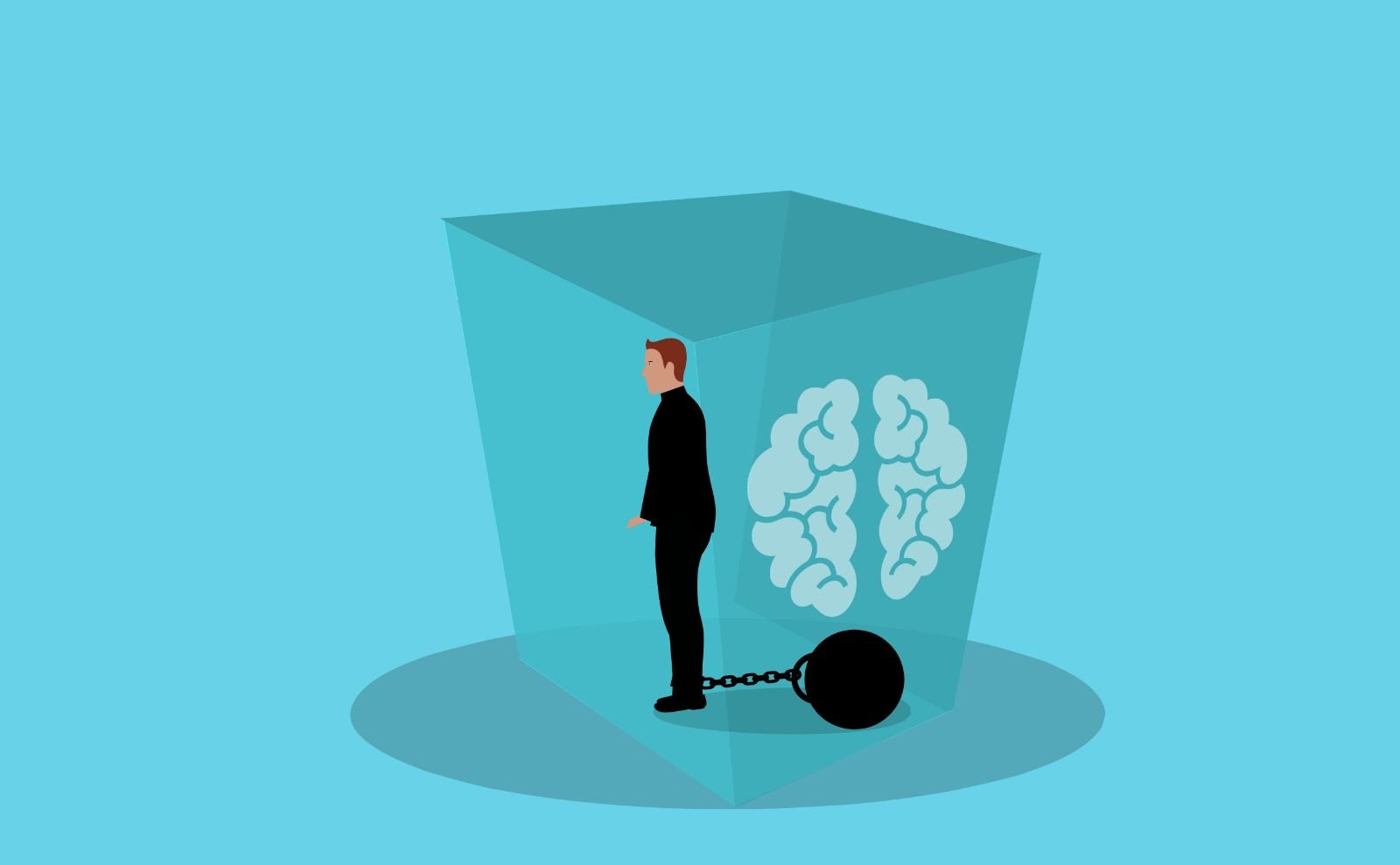
PTSD vs. Trauma: What's the Difference?
Trauma and PTSD aren't the same thing. Trauma is the overwhelming event, and your response to it. PTSD develops when your nervous system stays stuck in survival mode long after the danger has passed. Discover why your brain can't simply "get over it," how traumatic memories get stored differently, and how EMDR therapy helps reprocess stuck memories so they stop hijacking your present—offering a path to healing that goes beyond traditional talk therapy.

LGBTQ+ Mental Health: Common Challenges and How to Navigate Them
Being LGBTQ+ in a world that wasn't built for you comes with a particular kind of weight: anxiety, trauma, internalized shame, and a nervous system that has learned to stay on guard. These aren't character flaws; they're the natural result of navigating spaces that have historically pathologized who you are. This post explores the most common mental health challenges in the LGBTQ+ community and how EMDR therapy can help move beyond surviving into genuine, lasting healing.

The Impact of Chronic Invalidation on the Nervous System
"You're too sensitive." "You're overreacting." Chronic invalidation shapes your nervous system in lasting ways. Learn how EMDR therapy helps heal these deep patterns.

What Is Complicated Grief? Signs and Treatment Options
Grief that doesn't soften with time may be complicated grief. Learn the signs of prolonged grief disorder and how EMDR therapy offers a path toward healing.

How to Cope With the Sudden Death of a Loved One
When someone you love dies suddenly, the shock is overwhelming. Learn how to cope with traumatic grief and find support for healing after unexpected loss.

When Anxiety Shows Up as Physical Pain and How EMDR Therapy Can Help
Anxiety doesn’t always appear as racing thoughts or worry—it can also show up as real physical pain like headaches, muscle tension, stomach problems, and fatigue. When medical tests show nothing wrong, the connection between anxiety and the body can feel confusing and frustrating. EMDR therapy helps address the root causes of anxiety by allowing the brain to process unresolved stress and trauma, which can reduce both emotional distress and the physical symptoms that come with it.

When Anxiety Appears as Physical Pain
Anxiety doesn’t always feel mental — it often shows up as real physical pain, tension, or exhaustion. EMDR therapy helps process unresolved stress and trauma, allowing the nervous system to release stored distress and restore a sense of calm in both mind and body.

Why Does PTSD Cause Nightmares?
PTSD causes nightmares because the brain has not fully processed traumatic memories. During REM sleep, emotional centers become more active while rational control decreases, allowing unresolved trauma to resurface as vivid, distressing dreams. Effective treatments like EMDR therapy can help reprocess these memories, reduce nightmares, and improve sleep quality.

Can Childhood Trauma Affect Career Success? How EMDR Therapy Can Help You Break Through
Childhood trauma doesn't just affect your emotional life. It can significantly impact your career success, creating invisible barriers that keep you from reaching your potential. The good news? These patterns can change. EMDR therapy offers a powerful path to breaking through these barriers and building the career you deserve.
How Collective Trauma Shapes Communities, Culture, and Our Lives
This article explores how collective trauma shapes our world and offers a tangible path toward healing—for you and for the communities you’re part of.
Why Integrating IFS with EMDR Therapy is So Powerful for Healing Trauma
Feeling stuck in trauma healing? The integration of Internal Family Systems (IFS) and EMDR therapy offers a uniquely powerful approach to treating past trauma.

The Long-Term Benefits of Trauma-Informed Therapy for LGBTQ+ Refugees
Fleeing persecution means leaving behind your home, your language, your culture—everything familiar—because staying could cost you your life or freedom. For LGBTQ+ refugees, getting to safety is only the beginning.

Is Your Addiction a Response to Trauma? How Therapy Heals the Root Cause
This article will explore the powerful neurological and psychological link between trauma and addiction, and how a dual approach using EMDR and Internal Family Systems (IFS) therapy can address both the stored trauma and the internal system that relies on addictive behaviors for survival.