How Collective Trauma Shapes Communities, Culture, and Our Lives
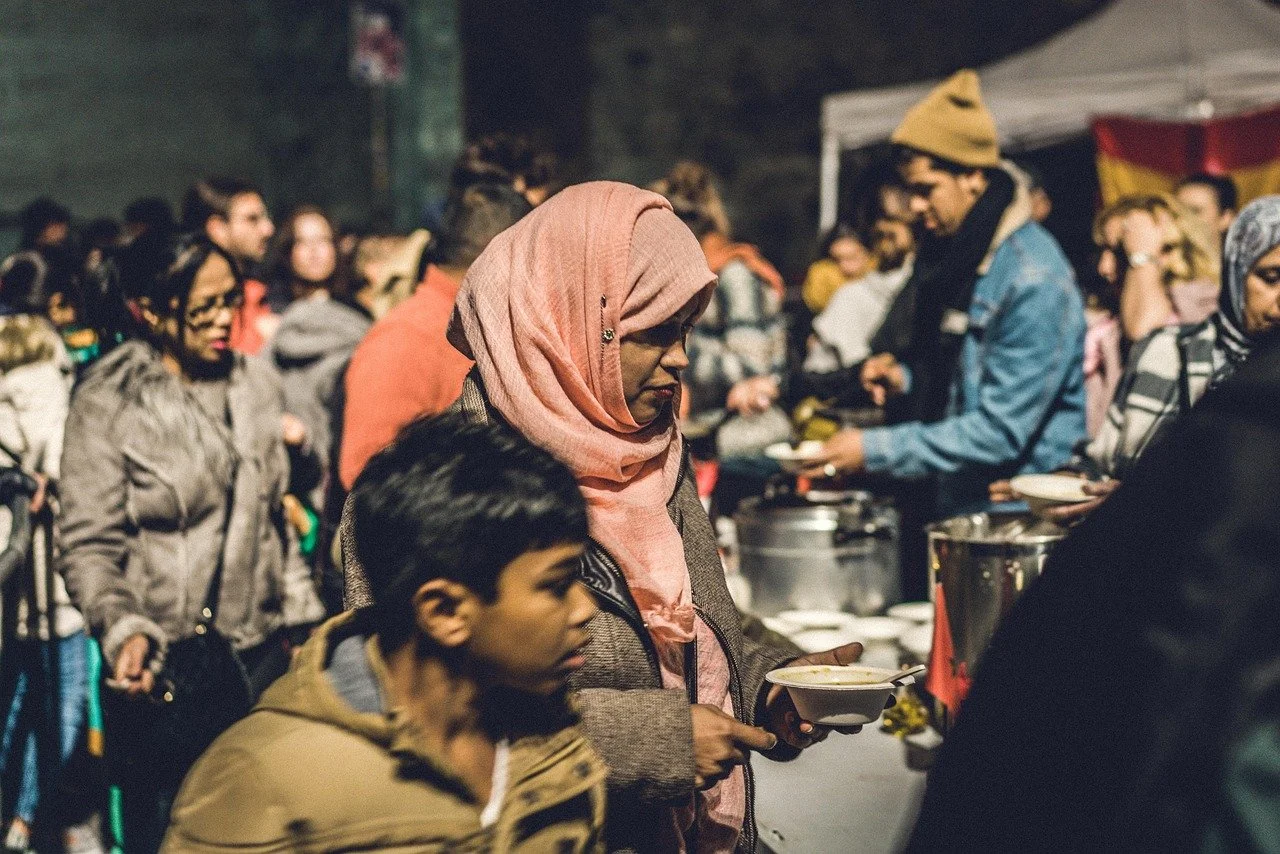
Some dates carry weight. September 11th. The date of a natural disaster that devastated your city. The anniversary of a violent event that shook your community. These moments stay with us, not just individually, but collectively.
You might notice how certain stories or places hold a deep, shared heaviness for an entire generation or community. This isn’t just individual pain happening to many people at once. It’s something deeper—a shared psychological wound that changes how a group sees the world, remembers the past, and moves through life.
This is collective trauma. It embeds itself in the fabric of communities and culture, shaping behaviors, beliefs, and relationships in ways we don’t always recognize. But here’s something important: individual healing matters profoundly. When you process your own trauma in therapy, you’re not just helping yourself. You’re interrupting cycles of pain and contributing to your community’s resilience.
This article explores how collective trauma shapes our world and offers a tangible path toward healing—for you and for the communities you’re part of.
What Is Collective Trauma? More Than Just the Sum of Its Parts
You've probably heard the term "collective trauma" before, but what does it really mean? Let's break down what makes it different from personal trauma.
Distinguishing Individual vs. Collective Trauma
Individual trauma happens to one person. Collective trauma happens to a group—a community, a culture, an entire generation. But it’s more than just many people experiencing the same event.
Collective trauma becomes woven into a group’s shared identity. It shapes the stories communities tell about themselves. It gets passed down through generations, affecting people who weren’t even born when the original event occurred. It becomes part of how a group understands who they are and how the world works.
Think about communities affected by war, genocide, or systemic oppression. The trauma doesn’t end when the immediate threat passes. It continues through collective memory, shared narratives, and inherited ways of being in the world.
Common Sources of Collective Trauma
Collective trauma can arise from many sources:
War and genocide leave deep scars on entire populations. Survivors carry not just their own memories but the weight of their community’s suffering.
Natural disasters reshape communities. Hurricanes, earthquakes, and floods don’t just destroy buildings—they shatter collective security and trust in stability.
Systemic oppression, like racism, colonialism, and discrimination, creates ongoing collective trauma. Communities experience generation after generation of marginalized, targeted, and dehumanized treatment.
Acts of terrorism create collective fear and hypervigilance that extends far beyond those directly affected.
Pandemics disrupt entire societies, creating shared experiences of loss, isolation, and uncertainty.
Forced migration tears communities from their homes, creating collective grief over lost places, cultures, and ways of life.
The “Before and After” Effect
Collective trauma creates a clear divide in a community’s story. There’s life before the event and life after. The world felt different before. Safety, trust, and hope looked different. After the trauma, everything changes—not just for individuals, but for the entire group.
This shift in collective consciousness shapes how communities function for years, even generations, to come.
Trauma’s Imprint on Culture and Behavior
Collective trauma doesn't just disappear when the crisis ends. It leaves lasting marks on how communities function, what they believe, and how they pass those beliefs forward.
Altered Worldviews and Shared Narratives
Collective trauma fundamentally changes how a community sees the world. Beliefs about safety, trust, and who can be relied upon shift.
A community that experienced genocide might develop a collective belief that outsiders are dangerous. A population that survived natural disasters might struggle with a pervasive sense that safety is an illusion. Communities facing ongoing oppression might internalize beliefs about their own worth or develop deep mistrust of authority.
These aren’t just individual reactions. They become shared narratives that shape the entire group’s culture. Survival stories get told and retold, passing on both wisdom and fear.
Rituals, Memorials, and Cultural Memory
Communities formalize trauma memory in various ways. Anniversaries are observed. Monuments are built. Art and literature preserve the story. These practices can be healthy ways of honoring what happened and those who were lost.
But sometimes these rituals can also retraumatize. When a community focuses exclusively on trauma without also creating space for healing, the wound stays fresh. The question becomes: are we remembering in a way that honors the past while allowing us to move forward, or are we staying trapped in the trauma?
Intergenerational Trauma
Perhaps the most profound aspect of collective trauma is how it passes between generations. Children and grandchildren of trauma survivors often carry the weight of experiences they never personally lived through.
This transmission happens in multiple ways:
Family behaviors model hypervigilance, fear, or survival strategies even after the original threat has passed.
Communication styles might involve silence about the trauma or, conversely, constant focus on it. Both extremes affect younger generations.
Epigenetic changes show that trauma can actually alter gene expression, potentially affecting how future generations respond to stress.
Untold stories create gaps that children fill with imagination, sometimes creating anxiety about unknown dangers.
A grandchild of Holocaust survivors might feel anxious about security in ways that seem disproportionate to their own life experiences. A child of refugees might carry deep fears about belonging and safety that mirror their parents’ trauma.
Impact on Social Fabric and Trust
Collective trauma affects how communities relate internally and to outsiders. It can erode social bonds, creating suspicion and division. “Us vs. them” thinking intensifies. Trust becomes difficult.
But trauma can also forge powerful solidarity. Communities that suffer together sometimes develop deep bonds and mutual support systems. Shared pain can create shared purpose.
The question is whether the trauma ultimately divides or unites—and that often depends on whether healing is actively pursued.
Healing the Individual Within the Collective
Understanding collective trauma is important, but here's where it gets personal: what can you actually do about it? The answer might surprise you—your individual healing matters more than you think.
The Personal Is Communal
Here’s something crucial to understand: individual trauma therapy isn’t just personal. It’s communal healing work.
When you process your trauma in therapy, you’re doing more than helping yourself feel better. You’re interrupting cycles of pain that might otherwise pass to your children. You’re changing patterns in your relationships. You’re contributing to a healthier community.
Think of it this way: every person who heals becomes a point of light in their community. They model different ways of being. They break patterns. They create safety for others.
Your healing ripples outward. It affects your family, your friendships, your workplace, and your wider community. This is especially true if you’re part of a community carrying collective trauma.
How Trauma Therapy Addresses Layers of Pain
Therapy helps you process both your personal memories and the internalized weight of collective suffering.
You might come to therapy with your own traumatic experiences. But as you work through them, you might also discover you’re carrying pain that isn’t entirely yours—beliefs and fears inherited from your family or community.
Good trauma therapy helps you distinguish between what’s yours to carry and what you’ve taken on from the collective. It helps you process both layers, creating freedom from pain that may have shaped your family or community for generations.
Restoring Safety and Agency
Collective trauma often strips away a sense of safety and control. Events happen to entire communities, leaving everyone feeling powerless.
Therapy works to rebuild internal safety and personal agency. You learn that while you can’t control everything, you can control how you respond. You develop tools for managing overwhelming emotions. You create internal resources that no external event can take away.
This restoration of personal power is profound. When you feel safe within yourself, you can engage with the world differently. You’re no longer driven primarily by survival instincts inherited from collective trauma.
Effective Approaches in Trauma-Informed Therapy
Several evidence-based therapies effectively address trauma that lives in both mind and body:
Internal Family Systems (IFS)
IFS helps you understand different parts of yourself that developed in response to trauma. Some parts might be hypervigilant protectors. Others might carry pain or shame. IFS helps you work with these parts compassionately.
This approach is valuable for understanding how you’ve internalized both personal and collective trauma, and how different parts of you respond to that pain.
EMDR (Eye Movement Desensitization and Reprocessing)
EMDR helps process disturbing memories by using bilateral stimulation while you focus on traumatic experiences. This allows your brain to reprocess these memories, making them less distressing.
EMDR is particularly effective for both personal and inherited trauma. It can address your own difficult experiences and also help process the anxiety and fear you’ve absorbed from your family or community’s collective trauma.
Trauma-Focused Cognitive Behavioral Therapy (TF-CBT)
TF-CBT addresses the thoughts and feelings that stem from trauma. It helps you identify and change beliefs that no longer serve you—including beliefs absorbed from collective narratives.
This approach is especially helpful for addressing inherited beliefs, such as “the world isn’t safe” or “we can’t trust outsiders,” that may stem from your community’s collective trauma.
Your Healing Journey Contributes to the Whole
Collective trauma shapes our world in profound ways. It influences how communities function, how families relate, and how individuals see themselves. The weight of shared suffering can persist across generations, affecting people who never directly experienced the original trauma.
But collective trauma doesn’t have to dictate our future. Healing is possible—both individually and collectively. And here’s the beautiful truth: they’re connected.
When you seek therapy for your own trauma, you’re not being selfish. You’re doing essential work that benefits everyone around you. You’re breaking cycles. You’re modeling healing. You’re creating new possibilities for your family and community.
Healing is a generative process. Your recovery creates ripples that extend far beyond you. The patterns you break, the beliefs you challenge, the safety you create within yourself—all of this contributes to a healthier, more resilient community.
Moving Forward
If you’re carrying the weight of trauma—whether from personal experiences, your family history, or the collective struggles of your community—know that you don’t have to navigate this pain alone. Specialized support is available, and seeking help is an act of courage that benefits both you and your wider circles.
Therapy provides a compassionate, evidence-based space for this essential work. You can process what’s happened, develop new ways of being, and reclaim your sense of safety and agency. Your healing matters—for you and for everyone your life touches.
If you’re ready to explore how EMDR therapy and IFS therapy can support you, Contact us to schedule a consultation. Taking this first step might feel vulnerable, but you’ve already started by reading this far. You deserve support, understanding, and compassionate guidance as you navigate this journey. Let the healing begin.