PTSD vs. Trauma: What's the Difference?
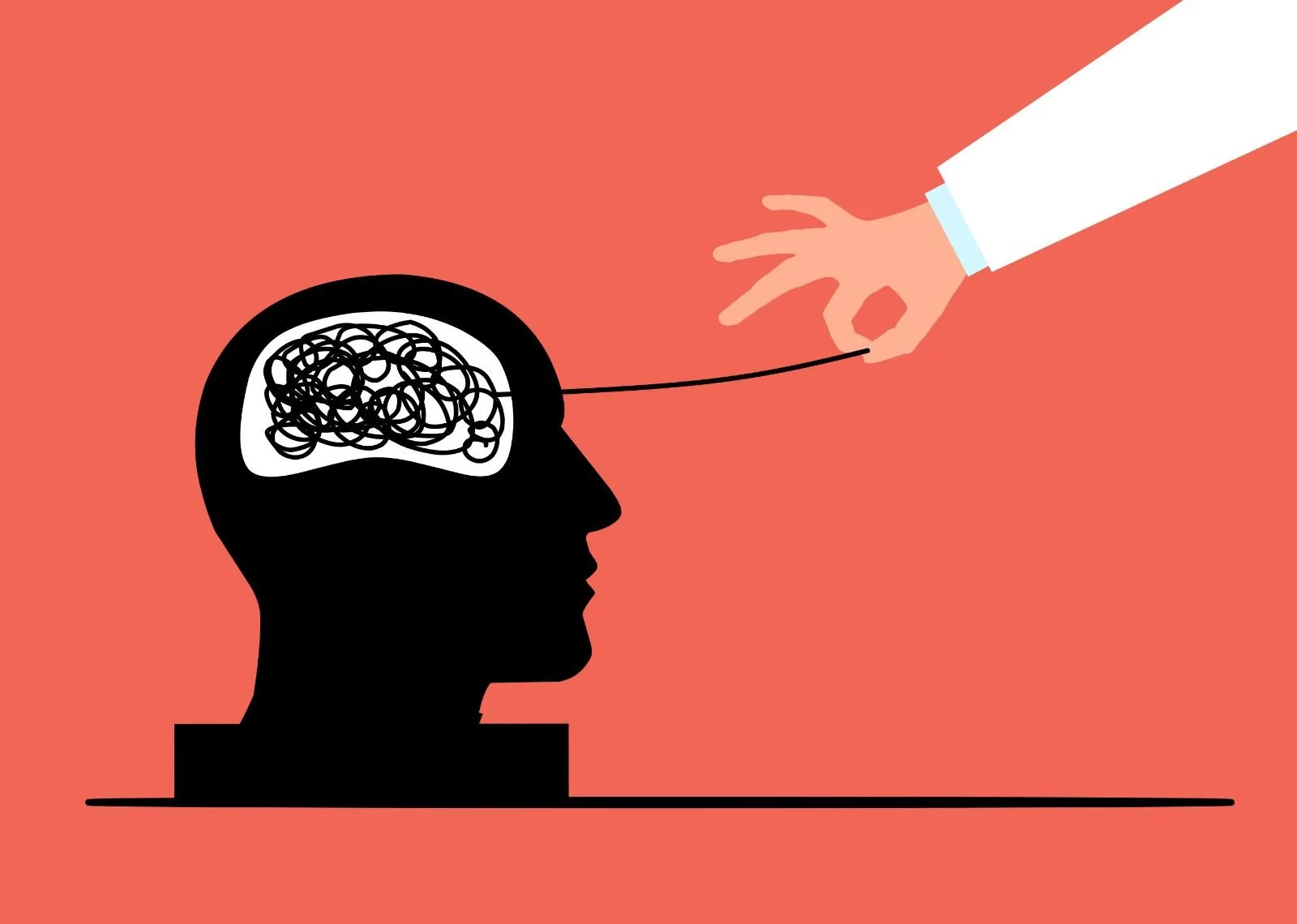
Not everyone who experiences trauma develops PTSD. You can go through something terrible and carry the weight of it without meeting the clinical criteria for Post-Traumatic Stress Disorder. Understanding this difference matters because it shapes how you seek help and what kind of support you need. Trauma is the event and your response to it. PTSD is what happens when your nervous system gets stuck in survival mode long after the danger has passed.
EMDR therapy offers a powerful way to help your brain process traumatic memories so they stop hijacking your present.
What Trauma Actually Means
Trauma isn't just about what happened to you. It's about what happened inside you as a result.
You might have experienced something objectively traumatic—abuse, assault, a car accident, combat, natural disaster, sudden loss. Or your trauma might be less visible to others: growing up with emotional neglect, witnessing domestic violence, experiencing medical trauma, enduring chronic invalidation.
Trauma happens when an experience overwhelms your ability to cope. Your nervous system floods with more than it can process in the moment, so it stores the experience in fragments—sensations, images, emotions—that don't get filed away as "past events."
These are some common responses to trauma:
Replaying the event in your mind
Feeling hypervigilant or on edge
Avoiding reminders of what happened
Experiencing intense emotions that feel out of proportion
Having trouble trusting others or feeling safe
Struggling with sleep or concentration
Here's what many people don't realize: these responses are normal reactions to abnormal events. Your brain and body are doing exactly what they're designed to do when faced with an overwhelming threat.
The question isn't whether you "should" be affected. The question is: has your nervous system been able to process and integrate what happened, or is it still reacting as if the threat is current?
When Trauma Becomes PTSD
PTSD develops when your trauma response doesn't resolve on its own.
Think of it this way: after a traumatic event, most people experience acute stress. You're shaken up. You have trouble sleeping. You replay what happened. This is your system trying to make sense of what occurred.
For many people, these symptoms gradually decrease over weeks or months. The memory becomes integrated as something that happened in the past—still painful, but no longer dominating the present.
With PTSD, this processing doesn't happen. Instead, your nervous system remains stuck in a state of threat. The traumatic memory stays fragmented and unprocessed, and your brain treats it as if it's happening right now.
The Diagnostic Picture
PTSD has specific criteria. You don't need to diagnose yourself, but understanding the pattern can help you recognize when professional support would help.
Intrusion symptoms mean the trauma keeps breaking into your present:
Intrusive memories or flashbacks
Nightmares related to the trauma
Intense psychological or physical reactions to reminders
Avoidance means you organize your life around not being reminded:
Avoiding thoughts, feelings, or conversations about the trauma
Avoiding people, places, or activities that trigger memories
Negative changes in thoughts and mood might include:
Inability to remember key aspects of the trauma
Persistent negative beliefs about yourself, others, or the world
Distorted blame of self or others
Persistent negative emotional state
Loss of interest in activities
Feeling detached from others
Inability to experience positive emotions
Changes in arousal and reactivity show up as:
Irritability or angry outbursts
Reckless or self-destructive behavior
Hypervigilance
Exaggerated startle response
Problems concentrating
Sleep disturbances
These symptoms need to last more than a month and cause significant distress or problems in your daily life.
But here's what the diagnostic criteria can't capture: the exhaustion of living this way. The loneliness of feeling like no one understands. The frustration of wanting to move forward but feeling trapped in the past.
Why Your Brain Can't Just "Get Over It"
If you're living with PTSD, you've probably been told to move on, let go, or stop dwelling on the past.
These suggestions miss the point entirely. You're not choosing to stay stuck. Your brain is doing what it's designed to do with unprocessed trauma.
Traumatic memories get stored differently from regular memories. Normally, when something happens, your brain processes it through several regions that help you understand the sequence of events, put them in context, and file them away as "past."
During trauma, this system gets overwhelmed. The memory gets encoded in fragments—sounds, smells, body sensations, emotions—without the proper context or time stamp. Your hippocampus, which normally helps you recognize that something is a memory from the past, isn't functioning properly.
The result? Your brain stores the trauma as if it's still happening. When something triggers the memory—a smell, a sound, a feeling—your amygdala (the alarm center) fires up as if you're facing the original threat right now.
You can't think your way out of this. The memory is stored below the level of conscious thought, in the parts of your brain that react before you can even form words.
This is why traditional talk therapy sometimes isn't enough for PTSD. Talking about the trauma can help you understand it, but it doesn't necessarily change how the memory is stored in your brain.
How EMDR Works Differently
Eye Movement Desensitization and Reprocessing (EMDR) therapy was specifically developed to help the brain reprocess traumatic memories.
It sounds unusual at first: you recall the traumatic memory while simultaneously tracking bilateral stimulation—usually your therapist's moving finger, tapping, or audio tones that alternate between left and right.
But there's solid science behind why this works.
The bilateral stimulation appears to activate both hemispheres of your brain simultaneously, similar to what happens during REM sleep when your brain naturally processes daily experiences. This seems to help your brain complete the processing interrupted by the trauma.
What Happens in Your Brain
During EMDR, several things occur:
The memory becomes unstuck. The frozen fragments start to connect with other neural networks. Your brain begins to recognize this as something that happened in the past, not something happening now.
New connections form. Your brain links the traumatic memory with more adaptive information you already have. You might suddenly access memories of times you were strong, or realize insights about the event that help it make more sense.
The emotional charge decreases. The memory doesn't disappear—EMDR doesn't erase memories—but the intense distress associated with it diminishes. You can remember what happened without being overwhelmed by it.
Your body updates its response. The physical sensations stored with the trauma (the tightness in your chest, the knot in your stomach) begin to release as your nervous system recognizes the danger has passed.
What EMDR Therapy Actually Looks Like
If you're considering EMDR, you might wonder what happens in sessions.
Phase 1: History and Treatment Planning
Your therapist gets to know you and your history. You identify specific traumatic memories to target and discuss what you want to work toward.
Phase 2: Preparation
This is crucial. Before processing trauma, you learn skills to manage distress and regulate your nervous system. Your therapist might teach you grounding techniques, safe place visualization, or other resources you can use if things feel overwhelming.
You don't jump straight into the hardest memories. EMDR therapists know that safety and stability come first.
Phases 3-6: Processing
This is the heart of EMDR. You bring up a target memory while following bilateral stimulation. Your therapist guides you through sets of eye movements (or tapping, or tones), checking in between sets to notice what's coming up.
You might notice new thoughts, memories, sensations, or emotions arising. This is your brain doing the work of processing. Your therapist helps you stay present and lets your brain's natural healing capacity unfold.
Phases 7-8: Closure and Reevaluation
Each session ends with techniques to help you feel stable and grounded. In the following sessions, your therapist will check how the memory has settled and whether it needs further processing.
What Makes It Different
Unlike traditional exposure therapy, you don't have to tell the entire trauma story in detail. You can target the memory without spending sessions talking through every horrible moment.
The processing often happens faster than traditional talk therapy. Many people notice significant changes in just a few sessions, though complex trauma usually requires longer treatment.
You remain in control. If something feels too intense, you can stop. EMDR is designed to help you process trauma at a pace your system can handle.
Beyond PTSD: When EMDR Helps
While EMDR was developed for PTSD, research shows it helps with other conditions rooted in difficult experiences:
Anxiety disorders
Depression linked to past experiences
Panic attacks
Complicated grief
Performance anxiety
Disturbing memories that don't meet full PTSD criteria
The common thread is unprocessed memories that keep your nervous system activated. EMDR helps your brain finish what it started—integrating these experiences so they no longer control your present.
The Relief of Processing
One of the most profound shifts that happens through EMDR is the change in how you relate to your memories.
Before processing, the trauma feels like it's happening to you right now. Your body responds with the same fear, shame, or helplessness you felt during the original event.
After processing, something fundamental shifts. You remember what happened—the facts don't change—but the memory feels distant, like it belongs to the past. The emotional intensity drains away. The physical sensations are released.
You might describe it as: "I can remember it, but it doesn't have the same power over me anymore."
This isn't about forgetting or minimizing what happened. It's about freeing yourself from being trapped in that moment forever.
You Don't Have to Live in Survival Mode
If you're reading this while struggling with the aftermath of trauma, whether or not it meets criteria for PTSD, here's what matters: you don't have to keep living in a state of constant alert.
Your nervous system learned to protect you during an overwhelming experience. That response made sense then. But if you're safe now and your body hasn't gotten the message, EMDR can help update that outdated alarm system.
The work isn't easy. Processing trauma takes courage—the willingness to turn toward painful memories instead of continuing to avoid them. But you don't do it alone, and you don't do it all at once.
EMDR therapy provides structure and safety while your brain does what it's naturally designed to do: heal.
You didn't choose what happened to you. But you can choose to get support in healing from it. The trauma is part of your history, but it doesn't have to define your future.
If you're ready to explore how EMDR therapy can support you, contact us to schedule a consultation. Taking this first step might feel vulnerable, but you've already started by reading this far. You deserve support, understanding, and compassionate guidance as you navigate this journey. Let the healing begin.