Using Nature And Ecotherapy To Support Depression Treatment And Discuss How IFS Therapy Can Help Clients Identity Their Own Parts While In Nature
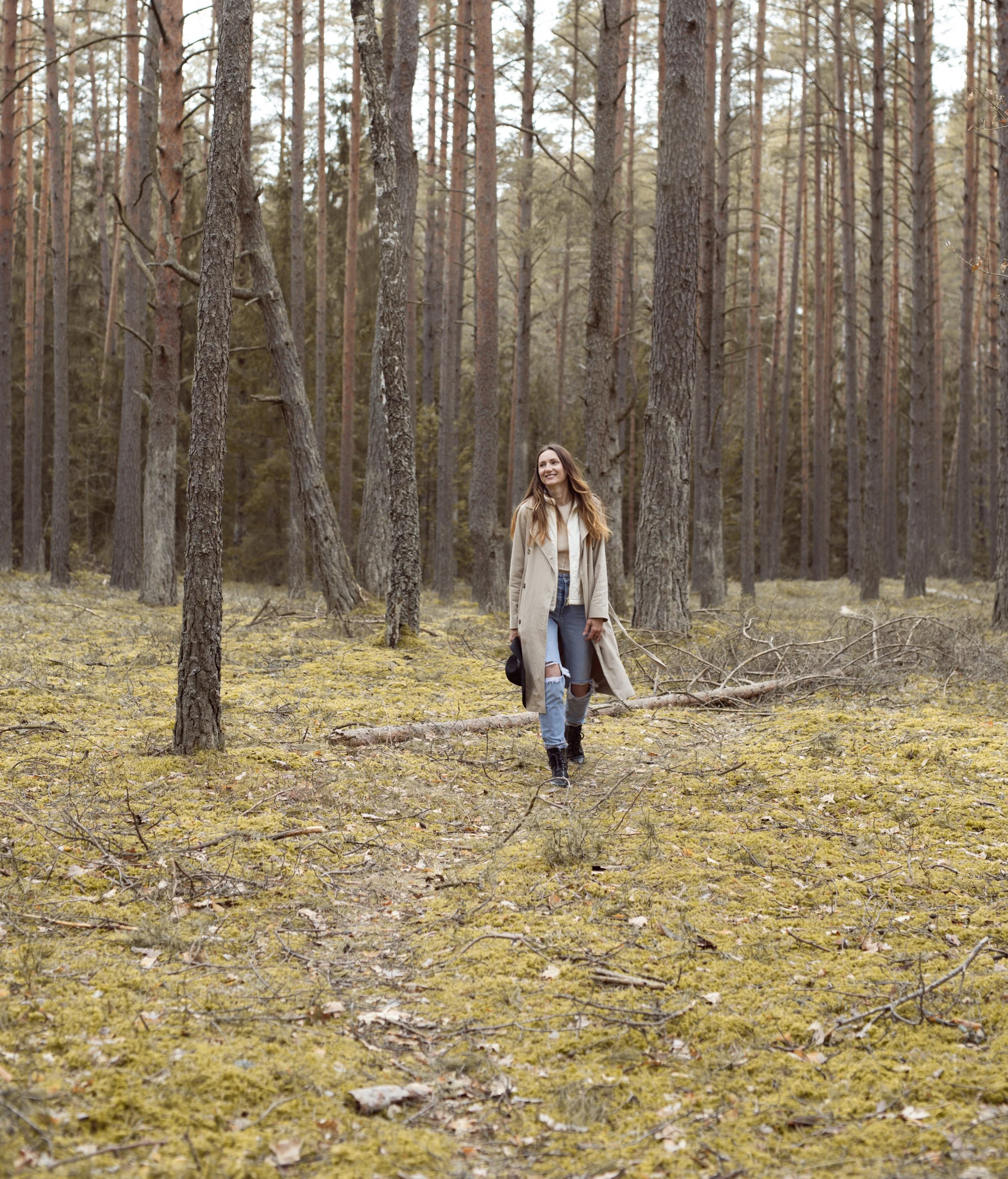
Depression can make the inside of your own mind feel like a room with no windows. You know, logically, that things exist outside of the heaviness. You cannot always feel your way there. Talk therapy alone can sometimes stay trapped in that same closed room, one more conversation happening inside the very system that feels stuck.
This is not a failure of therapy or of you. It is a sign the setting itself may be part of what is missing. Ecotherapy paired with IFS Therapy, offers a different room, one with air moving through it.
When Depression Feels Bigger Than a Diagnosis
Depression is often described clinically: low mood, loss of interest, fatigue, disrupted sleep. Lived from the inside, it feels less like a symptom list and more like disconnection from other people, from the body, from anything that once felt meaningful.
That disconnection rarely stays contained to mood alone.
Modern life compounds it. Long hours indoors, screen-based work, and reduced contact with the natural world are now recognized contributors to the broader mental health picture, alongside biological and psychological factors. Nature does not replace clinical treatment for depression. It changes the container treatment happens in, and the research on that shift is accumulating quickly.
What research is showing about nature-based treatment for depression:
A widely cited controlled study from the University of Essex found that a walk in a natural setting reduced depression scores in 71 percent of participants, compared to 45 percent after a walk in a shopping center, where 22 percent of participants actually felt worse.
A 2024 systematic review comparing ecotherapy to cognitive behavioral therapy found that nature-based interventions produced similar short-term improvements in depression as conventional psychotherapy.
A 2025 nature-based activity program found measurable improvements in mood and anxiety in as little as 12 weeks among participants with mild to moderate mental health conditions.
Research reviewed in 2024 links exposure to nature to measurable reductions in cortisol, the body's primary stress hormone, alongside improvements in emotional regulation.
In Los Angeles, where access to canyons, coastline, and parkland sits close to dense urban life, therapists are increasingly incorporating structured outdoor sessions into depression treatment, not as an amenity, but as a clinical tool.
What Is IFS Therapy? Understanding Parts and Self
Internal Family Systems Therapy, developed by Dr. Richard Schwartz, is grounded in a simple but reorienting idea: the mind is naturally made up of multiple parts, not one single voice.
A part that carries old shame. A part that manages daily functioning by staying busy or numb. A part that protects against being hurt again by keeping people at a distance. In IFS Therapy, none of these parts are treated as pathology to eliminate. Each one developed for a reason, usually to protect the person from pain they once could not survive any other way.
Beneath all of these parts sits what IFS calls the Self: a calm, curious, compassionate core capable of leading the internal system once the parts are no longer forced into extreme roles. The work of IFS Therapy is not to silence parts. It is to help the Self build a relationship with them.
For someone experiencing depression, this reframe alone can be significant. A depressed part is not the whole person. It is one part, carrying a heavy burden, that has been running the system without relief.
Why Nature Makes It Easier to Meet Your Parts
Parts work asks a person to slow down, turn inward, and notice what is present without immediately trying to fix or argue it away. That kind of internal attention is hard to access in a fluorescent office, on a schedule, with the hum of ordinary life pressing in.
Natural settings lower physiological arousal almost automatically. Heart rate slows. Breathing deepens. The nervous system shifts out of the vigilant, defensive state that depression and protective parts often depend on to maintain control.
In that lowered state, protective parts, the ones whose job is to keep painful material out of awareness, tend to loosen their grip. A part that stays defended in a therapist's office may speak more freely while walking beside a creek or sitting under tree cover. The outdoor setting does not force this. It simply removes some of the pressure that keeps parts on guard.
How an IFS Therapist Blends Nature and Parts Work
Nature-based IFS Therapy is a structured clinical approach, not an unstructured walk. Sessions typically include the following elements.
Grounding before exploration. The session often opens with a sensory practice, noticing sound, temperature, or texture, that settles the nervous system and signals safety before any parts work begins.
Using the environment as reflection. A therapist may invite a client to notice which part of the landscape draws their attention- a fallen tree, a closed bud, moving water- and use that image as a doorway into identifying an internal part and what it carries.
Externalizing the internal system. Physical space allows a client to step into different locations to represent different parts, creating distance between the Self and an overwhelmed or exiled part in a way that is harder to achieve indoors.
Returning to Self-energy. As in traditional IFS Therapy, the goal is not to dismiss the part but to help the client access calm, compassionate curiosity toward it, now supported by a nervous system nature has already helped settle.
Clients do not need any outdoor experience or physical fitness to benefit. Sessions are typically adapted to accessible, low-impact settings such as a quiet park path or a garden.
Signs Nature-Based IFS Therapy Could Help You
You feel stuck in talk therapy. Insight has not translated into felt change, and the same patterns keep resurfacing session after session.
You feel disconnected from your body. Depression often shows up as numbness or disembodiment that verbal processing alone struggles to reach.
You notice relief outdoors already. If time outside consistently softens your mood, even briefly, that is a signal worth building on clinically.
Finding an Ecotherapy-Informed IFS Therapist in Los Angeles
Not every therapist who mentions "nature" is trained in structured ecotherapy protocols, and not every IFS practitioner offers outdoor sessions.
Ask whether the therapist holds specific training in both IFS Therapy and nature-based or ecotherapy methods, rather than combining the two informally.
Confirm how outdoor sessions are structured for privacy, safety, and clinical boundaries.
Look for experience treating depression specifically, since parts work with mood disorders requires a different pace than parts work with acute trauma.
Los Angeles offers accessible outdoor space in nearly every neighborhood, from Griffith Park to the coastline, making hybrid indoor-and-outdoor treatment realistic for most schedules.
Frequently Asked Questions
Can ecotherapy actually treat clinical depression, or is it just a mood boost?
Ecotherapy is not typically used as a standalone treatment for moderate to severe depression. Still, a 2024 systematic review found that it produces short-term improvements comparable to those of conventional psychotherapy, making it a legitimate complement to structured clinical care such as IFS Therapy.
Do I have to talk about my trauma outdoors in front of other people?
No. Nature-based IFS sessions are private, one-on-one sessions held in quiet, low-traffic outdoor settings, structured with the same confidentiality as an office visit.
What if I have physical limitations or don't like the outdoors?
Sessions can be adapted to short, accessible settings such as a garden or a quiet path, and IFS Therapy itself can be fully conducted indoors. Nature is a tool that can be added gradually, not a requirement.
How is IFS Therapy different from standard depression treatment?
Most depression treatment focuses on symptom reduction. IFS Therapy works with the internal parts, protective, avoidant, or exiled, driving those symptoms, aiming for lasting change in how the internal system functions rather than symptom management alone.
Meeting Your Parts in the Open Air
Depression convinces the mind that it is one solid, unchangeable thing. IFS Therapy offers a different truth: that even the heaviest part is still only a part, carrying a burden it was never meant to carry alone.
Taking that work outside does not make it less clinical. It makes the parts easier to reach and the Self easier to access in a setting that the nervous system was built to recognize as safe. You do not have to stay in the room with no windows.
Ready to Begin? Work With a Nature-Informed IFS Therapist
If depression has left you feeling disconnected from other people, from your body, or from yourself, know that treatment does not have to stay confined to four walls.
Nature-based IFS Therapy offers a compassionate, evidence-informed way to meet the parts of yourself that depression has kept hidden, in a setting built to help you feel safe enough to find them. Contact us or visit our Los Angeles and Burbank locations to learn more about ecotherapy and IFS Therapy for depression, and to schedule a consultation. You do not have to find your way back to yourself alone.